Jungling
Jungling is one of the most dynamic and impactful roles you can take on in League of Legends. If you're playing on Summoner's Rift, the jungle is your domain — that sprawling, fog-covered territory sitting between the three main lanes. Unlike laners who focus on farming minion waves and protecting their structures, the jungler roams across the map, slaying neutral creatures, contesting powerful objectives, and showing up wherever their team needs them most. For players in the Southeast Asian scene especially, where aggressive playmaking and fast-paced decision-making are hallmarks of the regional style, mastering jungling can be the difference between climbing the ranked ladder and spinning your wheels. This guide breaks down everything you need to know about the role — from understanding the jungle terrain itself to the core responsibilities that define a great jungler.
Understanding the Jungle Terrain
What Exactly Is the Jungle?
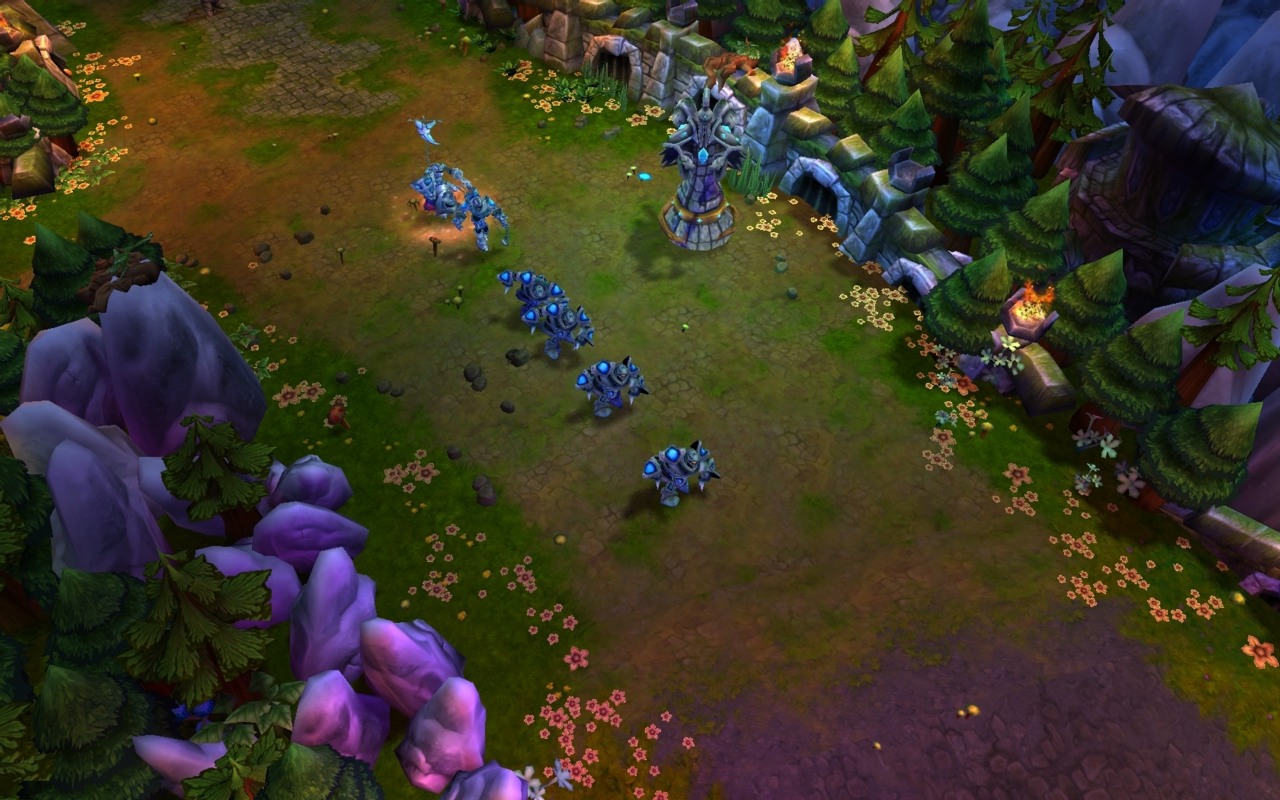
On maps featuring multiple lanes — most notably Summoner's Rift — the jungle refers to every area of the map that sits between the lanes proper. It excludes each team's base and is characterized by dense Fog of War, meaning you won't have natural visibility there unless you or your teammates place wards or use abilities to reveal the darkness.
This lack of vision is what makes the jungle both dangerous and exciting. You're never entirely sure where the enemy jungler might be lurking, and that uncertainty creates tension for every player on the map.
Monsters and Camps
Scattered throughout the jungle are neutral creatures called monsters. Unlike lane minions, these monsters are not aggressive on their own — they won't attack you unless you strike first. A single monster or a group of monsters stationed at a specific location on the map is referred to as a camp. These camps spawn and respawn at predetermined locations, which means experienced junglers memorize where each camp sits and time their clears accordingly.
The Three Core Responsibilities of a Jungler
The jungler role is built around three specialized duties that set it apart from what laners do. Understanding each of these responsibilities — and how they interconnect — is fundamental to performing well in the role.
1. Farming the Jungle
Your first and most consistent responsibility is farming — the act of clearing monster camps throughout the game. Every camp you kill grants gold and experience, and unlike lane minions, this gold and experience is yours alone. You're not sharing it with a lane partner.
This matters more than it might seem at first glance. The jungle provides a substantial amount of gold and experience over the course of a game, and by having one player dedicated entirely to collecting those resources, the rest of the team can maximize what they earn in their respective lanes. Solo laners, in particular, benefit enormously from this arrangement, as they can potentially earn the highest amount of gold and experience from lane creeps on the entire team without having to split those gains with anyone.
2. Securing Epic Objectives with Smite
The second major responsibility ties into one of the most important summoner spells a jungler can take: Smite. Having access to Smite is nearly non-negotiable for junglers because it allows you to deal a large burst of true damage to neutral monsters, which is critical for securing high-value objectives.
The epic monsters on Summoner's Rift include:
- Voidgrubs — a group objective that spawns in the river area
- Rift Herald — a powerful creature that, once defeated, can be summoned to push lanes
- Baron Nashor — the most iconic and powerful neutral objective in the game, granting significant team-wide buffs when defeated
- Drakes (Dragons) — elemental creatures that provide stacking bonuses to the team that slays them
These objectives are enormously beneficial to the entire allied team, not just the jungler. Because of this, contesting and securing them becomes one of the most high-stakes moments in any match. The ability to use Smite at just the right moment to steal or confirm a kill on one of these creatures is a skill that separates good junglers from great ones.
3. Influencing and Assisting Lanes
The third pillar of jungling is map-wide influence. Because the jungle spans such a large portion of Summoner's Rift, the jungler is uniquely positioned to roam and assist teammates in any of the three lanes. This is often referred to as "ganking" — showing up in a lane to help your laner secure a kill, relieve pressure, or swing a fight in your team's favor.
The jungle's vast reach means that a jungler who is aware of the map state can create advantages across the board. However, you can only be in one place at a time, which leads to one of the most strategic elements of the role: pathing.
Pathing: The Art of Moving Through the Jungle
What Is Pathing?
Pathing refers to the route a jungler takes through the jungle as they clear camps and move toward objectives or lanes. Because monster camps spawn in fixed locations, and because some camps are closer to each other than others, junglers naturally develop routes — or paths — that allow them to clear efficiently while positioning themselves near the lanes or objectives they want to influence.
Some camps may be prioritized over others depending on the jungler's champion, the state of the game, and what objectives are coming up. For example, if the Drakes are about to spawn on the bottom side of the map, a jungler might path toward the bot side of the jungle so they're already in position when the fight breaks out.
Why Pathing Matters
Since you can only be near one half of the map at any given moment, your pathing directly determines which lanes and objectives fall within your immediate sphere of influence. A jungler pathing toward the top side of the map is in a great position to gank the top or mid lane and contest the Rift Herald, but they're far from the bot lane and any Drake that might be spawning.
Effective pathing is about minimizing the time and resources you waste while moving between camps. Every second you spend walking without clearing a camp or setting up a play is time lost. The best junglers plan several steps ahead, thinking about which camps will be available, where the enemy jungler might be, and which lanes need their help most.
Pathing Considerations
When planning your route, keep these factors in mind:
- Camp proximity: Group camps that are near each other into the same clear to reduce travel time
- Objective timing: Path toward the side of the map where the next major objective will spawn
- Lane state: If a teammate is being pushed under their tower and struggling, pathing toward that lane can set up a successful gank
- Enemy jungler tracking: If you have an idea of where the opposing jungler is, you can path to avoid them — or to confront them directly
The Bigger Picture: Why the Jungler Exists
At its core, the jungler role exists to maximize resource allocation for the entire team. Without a jungler, teams would be forced to share gold and experience in lanes more broadly, diluting the power of individual players. By dedicating one player to the jungle, teams ensure that the gold and experience available from monster camps isn't wasted — and that laners can grow as strong as possible on their own.
This resource efficiency is the foundation upon which everything else is built. The farming, the objective control, the ganks — all of it flows from the principle that a team performs better when one player takes ownership of the jungle and its rewards.
Summary and Key Takeaways
Here's what you should remember about jungling in League of Legends:
- The jungle is the fog-covered area between lanes on Summoner's Rift, home to neutral monster camps that grant gold and experience
- Three core responsibilities define the jungler: farming camps, securing epic objectives with Smite, and assisting lanes through ganks
- Smite is essential for contesting powerful objectives like Voidgrubs, Rift Herald, Baron Nashor, and Drakes
- Pathing — your route through the jungle — determines which parts of the map you can influence and how efficiently you farm
- Resource allocation is the fundamental reason the jungler role exists; having a dedicated jungler lets the entire team earn more gold and experience overall
- The jungle rewards planning, map awareness, and adaptability — if you're not thinking ahead, you'll fall behind
Whether you're just starting out or looking to sharpen your fundamentals, understanding these core concepts will give you a strong foundation for the jungler role. Focus on efficient pathing, keep an eye on the minimap, and always be thinking about where you can make the biggest impact next.