Anubis
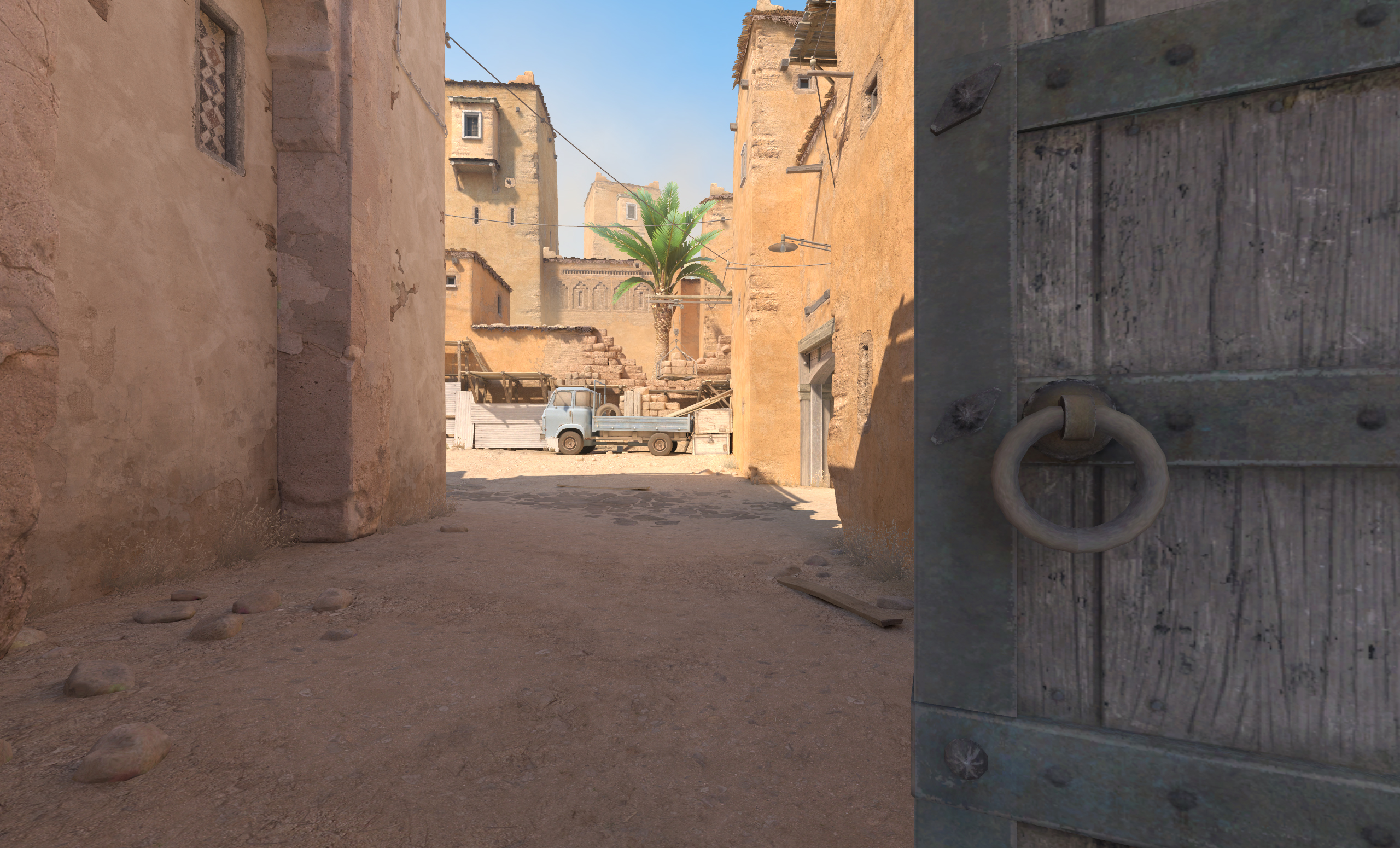
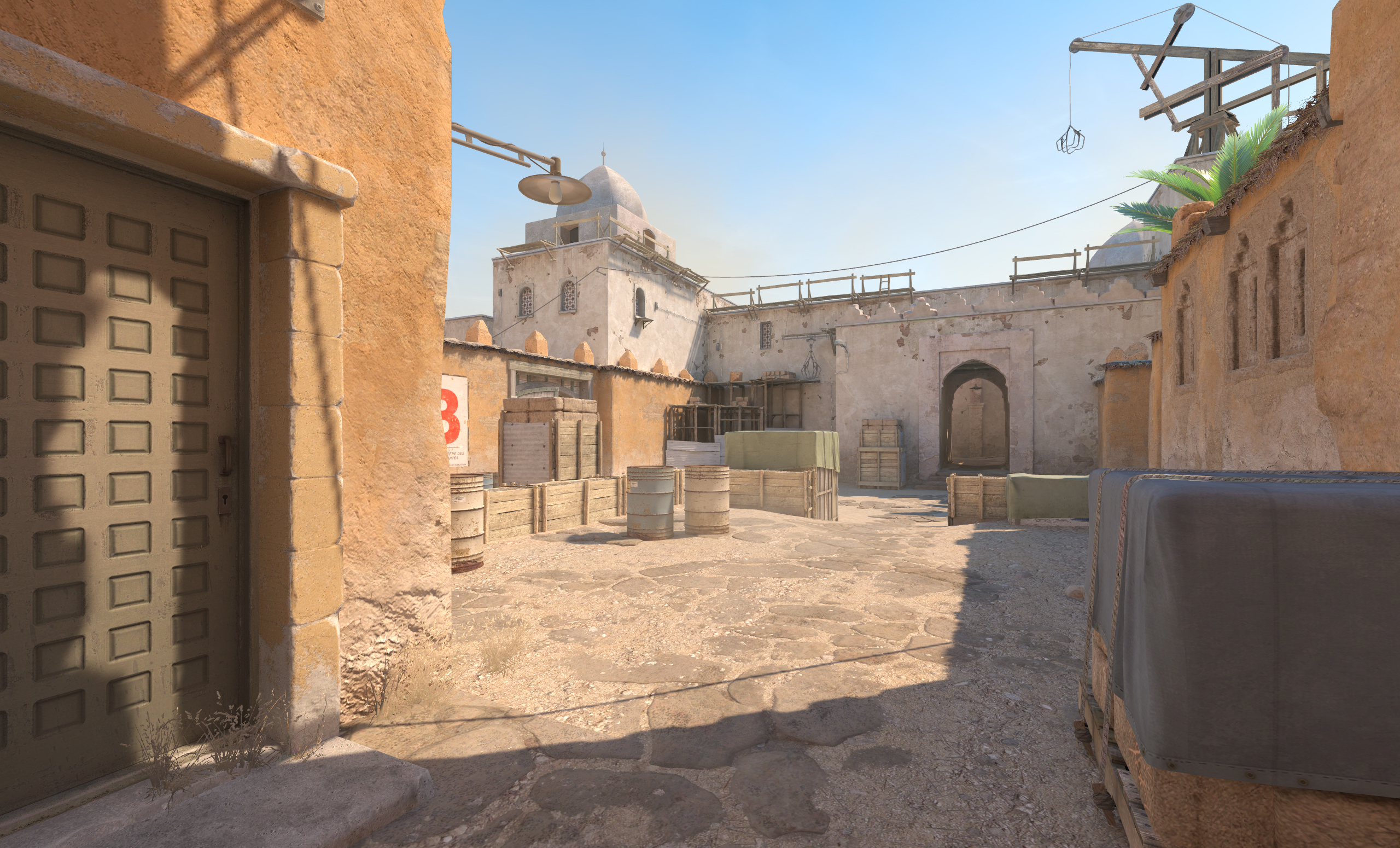
For Counter-Strike 2 players in Southeast Asia looking to expand their competitive map pool beyond the classics, Anubis offers a fascinating strategic playground. This community-created gem has had quite the journey in the CS ecosystem, evolving from a Scrimmage experiment to a staple of the Active Duty map pool. Its blend of tight chokepoints and open areas, set against an Egyptian theme, provides a refreshing tactical challenge that rewards both clever utility usage and coordinated team play.
The Story of Anubis: From Community Creation to Active Duty Staple
Anubis, known by its map code de_anubis, has one of the more unique origin stories in Counter-Strike. Designed by community creators Roald, jakuza, and jd40, it was introduced into the game in a major update on March 31, 2020, alongside the map Chlorine. Initially, it was only available in Scrimmage mode, allowing players to test it without the pressure of ranked play.
The map proved popular quickly. Just ten days later, on April 10, 2020, Anubis was moved into the full Competitive mode. It was only the second map to make that rapid transition, following the reintroduced Cache. However, its place in the official roster wasn't permanent. In May 2021, Anubis was removed from the game entirely. Its absence lasted for over a year until it was re-added in a significant update on August 16, 2022, to celebrate Counter-Strike: Global Offensive's 10-year anniversary.
The biggest milestone came after the IEM Rio 2022 Major. In the November 18, 2022 update, Anubis was added to the prestigious Active Duty Group—the collection of maps used in professional tournaments. This made it only the second community-made map, after Cache, to achieve this honor. It served in Active Duty until its removal in the July 15, 2025 update, cementing its legacy as a beloved and competitive map.
Getting to Know the Anubis Landscape: Callouts and Flow
Before diving into strategies, knowing the common callouts is essential for effective communication with your team. The map's layout revolves around two distinct bombsites connected by a central mid-area.
Important Note: Since Anubis is still relatively newer compared to maps like Mirage or Inferno, community callouts can vary and evolve. The names below are based on early community feedback and common usage, but always confirm with your team in the pre-round.
Bombsite A: The Cylindrical Fortress
Bombsite A is located to the left of the Counter-Terrorist (CT) spawn. The site is built around a prominent cylindrical object, making it a visually distinct and defensible position.
Key Entry Points and Positions:
- A Main: This is the primary Terrorist (T) entrance, leading directly from the T spawn area toward the site.
- A Connector / Heaven: This is a crucial alternative path for Terrorists. It links from the mid-area and leads to an elevated walkway, known as Heaven, which overlooks the entire bombsite. Controlling Heaven is often key to taking the site.
- Defensive Angles for CTs: Counter-Terrorists can hold A from strong positions like Heaven, directly on the bombsite itself, or from A Connector. For a more aggressive stance, CTs might opt to play on Plat (a platform near the site) or push close to A Main to surprise attacking Terrorists.
Bombsite B: The Obelisk
Bombsite B is situated to the right of the CT spawn and is centered around an obelisk. It offers a different set of challenges compared to A.
Tactical Considerations:
- Terrorist Access: Terrorists have two main entrances to Bombsite B. The specific callouts for these paths can vary, but they generally provide distinct angles of attack.
- The Site's Characteristics: The bombsite around the obelisk creates its own unique sightlines and cover. Whether you're attacking or defending, understanding how to play around this central structure is vital. As a Terrorist, successful B takes often involve coordinated utility to flush out defenders from their positions. As a CT, strong crossfires and retake utility are your best tools.
Mastering the Map: Strategic General Principles
While Anubis was removed from Active Duty in 2025, it remains a playable part of CS2's competitive ecosystem and offers valuable lessons in CS2 strategy. Here are some general strategic takeaways:
For Terrorists (T-Side):
- Mid Control is Paramount: The central area of Anubis is the key to unlocking the map. Gaining control of mid provides access to A Connector/Heaven, which is a game-changing position for attacking Bombsite A. It can also apply pressure to B defenders.
- Utility is Your Best Friend: Both bombsites have tight entrances and defensive angles. Effective use of smokes, flashbangs, and molotovs is non-negotiable. Smokes to block CT sightlines from Heaven or B site positions are fundamental for a clean execute.
- Early Aggression and Picks: Anubis has several long sightlines (e.g., from T spawn toward A Main). Skilled AWPers or rifle players can secure early picks that can break a CT setup before it even begins. However, this is high-risk, high-reward.
For Counter-Terrorists (CT-Side):
- Aggressive Information Plays: The map rewards CTs who can safely gather information without dying. A well-timed push through A Main or into mid can reveal the T side's plans and allow your team to rotate early. Always have a flashbang ready to support your retreat.
- Crossfire Setups: The design of both bombsites allows for strong crossfire setups. For example, one CT playing on the site and another in Heaven on A can be a nightmare for Ts to clear. Coordinate with your teammate to create overlapping fields of fire.
- Retake Protocols: Retaking either bombsite can be difficult due to the angles Terrorists can hold. Saving key utility (smokes, defuse kits) for retakes is crucial. The Heaven position on A site is particularly important to smoke off during a retake.
Key Takeaways and Final Thoughts
- Anubis is a piece of Counter-Strike history: It demonstrates the value of community maps and has earned its place among the game's classic competitive levels.
- Map flow centers on mid-control: As a Terrorist, if you control the middle of the map, you control the game. As a CT, denying this control is often your primary early-round goal.
- Bombsite A and B demand different approaches: A is about managing the Heaven overlook, while B revolves around controlling sightlines around the central obelisk.
- Practice is key: Because Anubis is not as frequently featured as other maps, taking time to learn its specific angles, smoke lineups, and timings will give you a massive advantage. Hop into an empty server and explore the callouts and grenade trajectories.
- It's a test of teamwork: With its many interconnected paths, Anubis punishes a disorganized team. Clear communication, synchronized utility, and trading kills are the foundations of success on this map.
Whether you're a veteran remembering its Active Duty days or a new player exploring the full CS2 map pool, Anubis provides a rich and rewarding strategic experience. Its journey from a community workshop file to a tournament mainstay is a testament to its quality, and its lessons in map control and utility usage are invaluable for any aspiring CS2 player.