Ascent
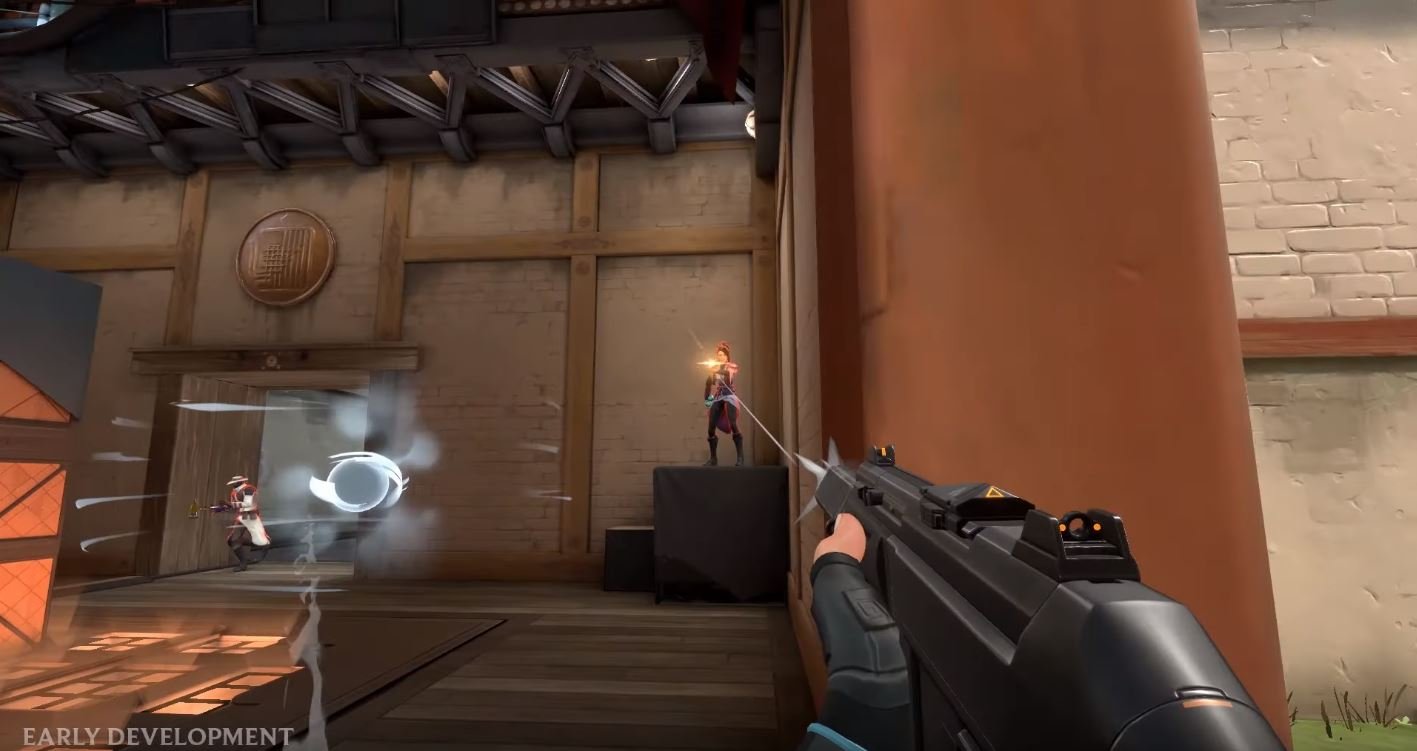
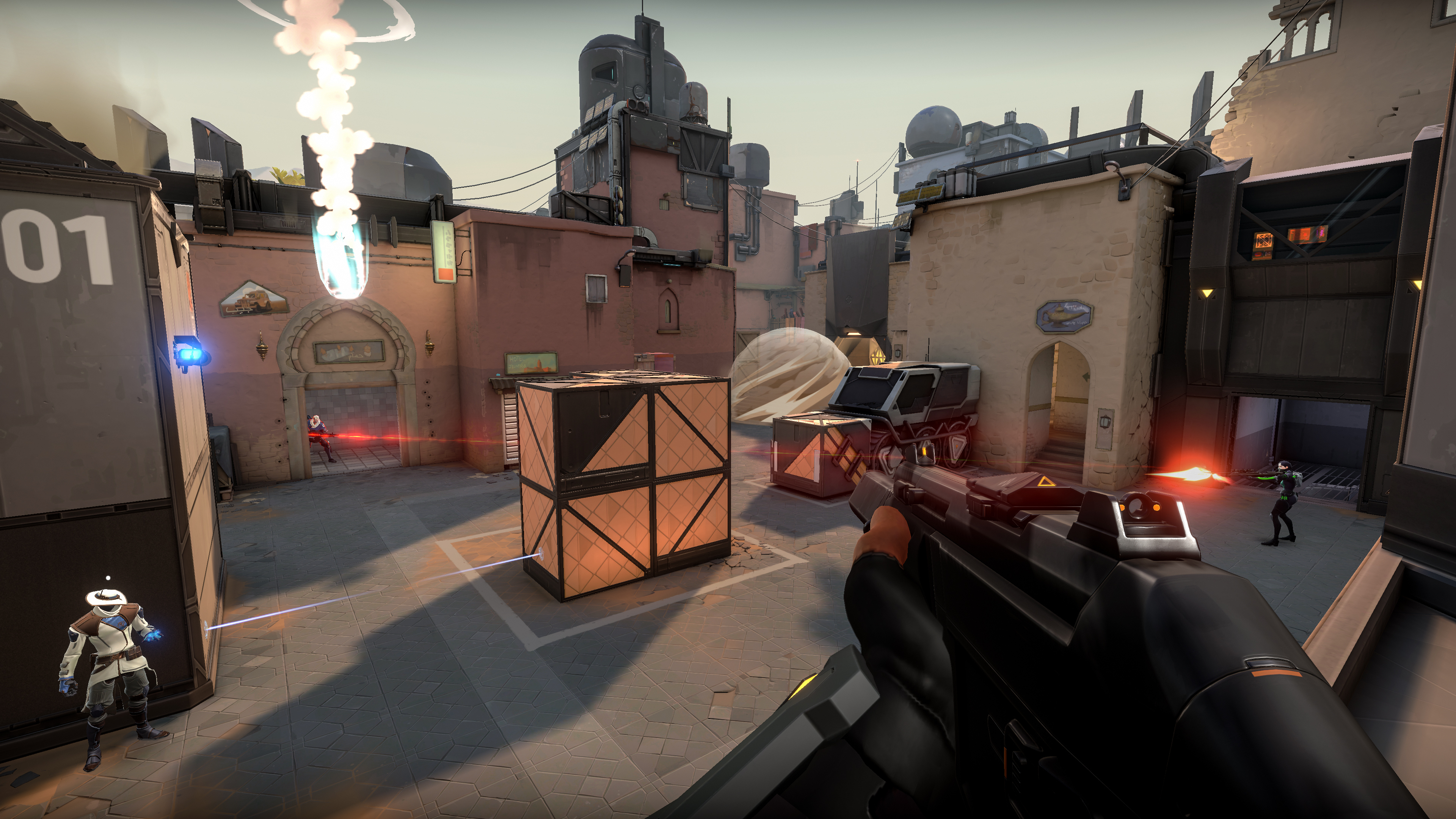
Ascent is a classic Valorant map set in a post-cataclysmic Venice, offering a dynamic blend of open combat zones and intricate site takes. Its defining mechanic revolves around destructible elements, creating a constantly evolving battlefield that rewards strategic foresight and adaptability. For players in Southeast Asia looking to master this Italian-themed playground, understanding its unique features is the first step to controlling the pace of the round.
Understanding Ascent's Core Mechanics
The heart of Ascent lies in its interactive environment. Unlike static maps, Ascent features destructible objects that permanently alter sightlines and cover throughout a round, making early-round decisions critically important.
The Destructible Site Doors
The most iconic feature of Ascent is its two mechanical doors, one guarding each spike site.
- Location: The A-site door is at A Link, while the B-site door is at Market.
- Function: These doors are open at the start of each round. A player on the site side can use a switch to close them, creating a solid, impenetrable barrier.
- Strategic Use: Closing a door can stall a push, protect a planted spike, or deny a retake entry point. However, these barriers are not indestructible.
- Destroying the Doors: Each door has 500 HP. Players can damage it with gunfire or abilities until it is destroyed. Once destroyed, the doorway remains open for the rest of the round, permanently removing that piece of cover.
Destructible Wall Panels and Window
Beyond the doors, other destructible elements add layers of strategy.
- Courtyard to Link Walls: The walls separating Courtyard from Link feature destructible panels. Each panel has 400 HP and acts as solid, non-penetrable cover while intact. A color indicator shows its health: blue (full), yellow (damaged), and red (near destruction). Destroying these panels opens up new wallbang opportunities through the walls for the remainder of the round.
- A Window Glass: The glass pane in the Window looking into A Garden is fragile. It will shatter instantly upon contact with any bullets, ability projectiles, or abilities the agent guides (like Phoenix's Blaze). However, abilities that are activated and then move on their own—such as Sova's Owl Drone or Raze's Boom Bot—will not break the glass on contact.
Strategic Considerations for Ascent
Mastering Ascent requires playing around its permanent destructibility. Here’s how to think about it.
The Economy of Destruction
Every round begins with all destructible elements intact. This creates a resource game: do you use your utility and ammo to destroy a door or panel early for a potential advantage later, or do you conserve it for gunfights? A team might pre-destroy a panel from safety to create a late-round lurk angle, or they might focus all fire on a door to breach a site quickly.
Controlling Territory
As the official description suggests, Ascent is about yielding as little territory as possible. The mechanical doors are key to this.
- Defensive Side: Use doors to create safe spaces for yourself. Closing the B-Market door can give a defender in B Site a protected angle. However, remember a closed door is a magnet for enemy fire—once it's down, you've lost that cover permanently.
- Attacking Side: Force defenders to make tough choices. A fast push onto a site might compel a defender to close a door, which you can then focus fire to break, negating their utility use. Alternatively, attacking the other site can make that door's closure irrelevant.
Agent Interactions
Different agents interact with Ascent's features in unique ways. While the source material doesn't list all interactions, it's clear that abilities are key to manipulating the map.
- Ability-Based Destruction: Agents with damaging abilities can efficiently destroy doors and panels without wasting bullets, preserving their economy. Abilities that create persistent damage zones are particularly useful for this.
- The Window Play: The A Window glass is a piece of instant-use utility for agents like Phoenix. Throwing a Blaze wall through the window can immediately block the angle into Garden, while an Owl Drone would simply bump against the glass harmlessly.
Map Layout and Key Areas
While a full callout guide is extensive, understanding the flow between Ascent's primary areas is essential.
- Mid Control: Controlling Mid is arguably more important on Ascent than on many other maps. It provides quick rotates and pressure onto both A Link and B Market, threatening the defenders' ability to use their site doors effectively. The Courtyard to Link walls and panels are part of this crucial mid-zone.
- Site Design: Both A Site and B Site are relatively open but have key chokepoints (A Main, B Main) and elevated positions (A Heaven, B Heaven). The destructible doors directly influence how these sites are attacked and defended.
- Lore Context: The map is set ten years after a mysterious event called "First Light." The spike detonation on Ascent was carried out by an agent from the parallel world of Omega, highlighting the conflict between the two Valorant Protocols.
Summary & Key Takeaways
Ascent is a map of calculated risks and permanent consequences. Its mechanics reward teams that plan for the long game and understand how to manipulate the battlefield over the course of a single round.
- Doors are Double-Edged Swords: They provide temporary, powerful cover that can be destroyed, changing site dynamics forever. Use them strategically, not reactively.
- Destruction Creates Advantage: Focus fire on key destructible panels (like those in Mid) early to open up strategic angles for later in the round.
- Adapt Your Economy: Consider using abilities instead of bullets to destroy map features, saving your ammo for duels.
- Mid is King: Winning Mid control grants immense pressure on both sites and threatens the integrity of the defenders' door placements.
- Play for the Round, Not Just the Moment: Every shot at a door or panel has a long-term implication. Think about how destroying that cover now will affect post-plant or retake scenarios.
By embracing the unique destructible environment of Ascent, players can move beyond simple aim duels and engage in the deeper, tactical warfare this map was designed to showcase.