Maps
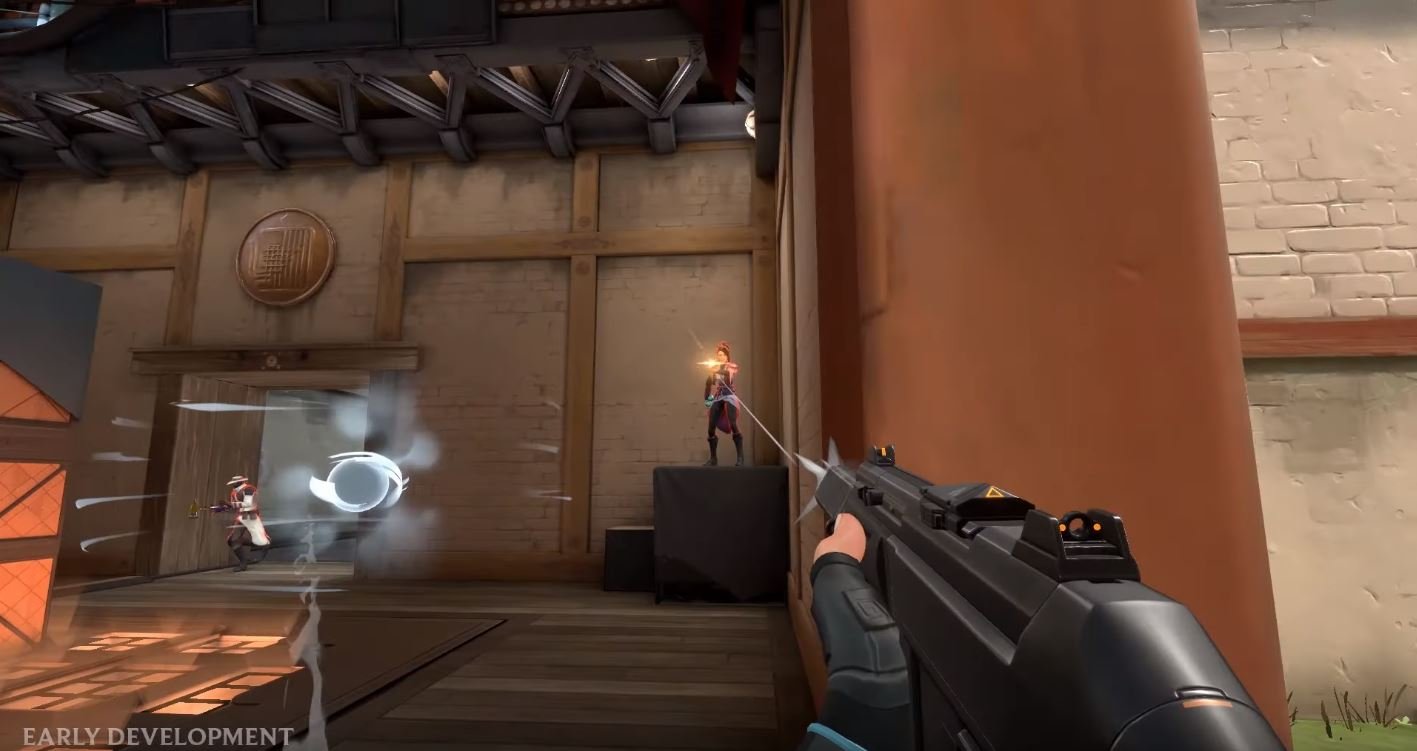
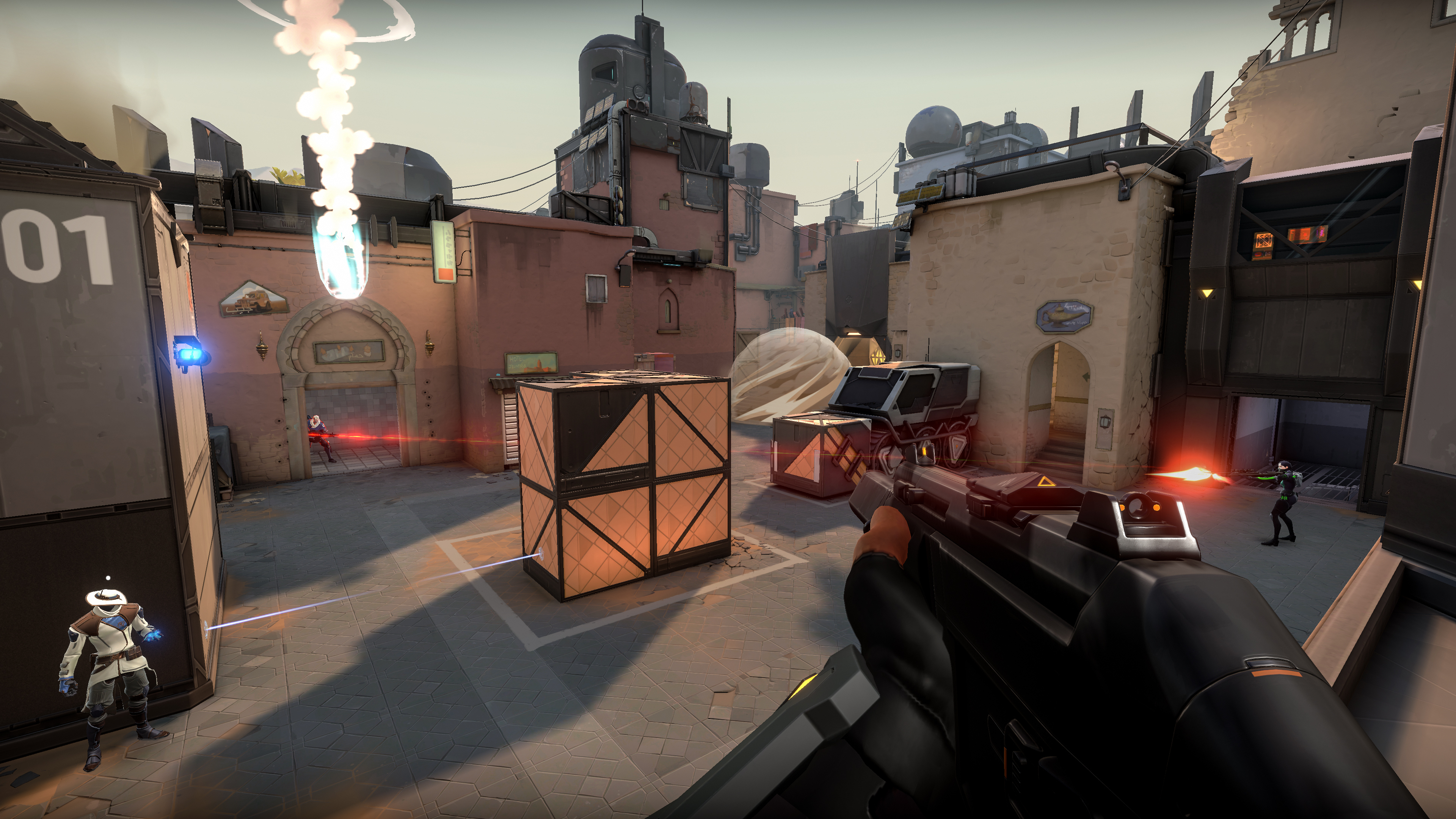
Welcome to the ultimate guide to Valorant's maps! As any seasoned agent knows, mastering the battlefields is just as crucial as perfecting your aim. Each map in Valorant offers unique layouts, strategic choke points, and tactical opportunities that can make or break a round. For players in Southeast Asia, where the competitive scene is thriving, understanding these environments is key to climbing the ranks. This guide will walk you through every map currently in the game, from the classic launch sites to the newest additions, helping you prepare for your next queue.
Understanding Valorant's Map Roster
Valorant's playable landscapes are categorized into three distinct types, each serving a different purpose in the game's ecosystem. Knowing the difference is your first step to map mastery.
- Standard Play Maps: These are the core competitive arenas used for the main Plant/Defuse modes (Unrated, Competitive, and Swiftplay) as well as other Deathmatch-class modes like Escalation. They feature two spawn areas, Buy Phase barriers, and two or three bomb sites.
- Team Deathmatch Maps: Built specifically for the fast-paced, respawn-based Team Deathmatch mode. These maps are designed for constant action.
- Practice Maps: A dedicated space for new players to learn the ropes and for veterans to warm up their mechanics.
Currently, there are 18 playable maps in total: 12 for standard play, 5 for Team Deathmatch, and 1 practice map.
Standard Play Maps: The Competitive Battlegrounds
These are the maps where ranked matches are won and lost. Here is every map in the standard pool, organized by their release order.
Launch Maps (Beta)
These four maps were available when Valorant first launched and have become iconic to the game's identity.
- Bind: Located in Rabat, Morocco (Alpha Earth). Bind is famous for its one-way teleporters that connect the two bombsites, offering fast rotations and unique lurk potential. Its classic two-site layout has been a training ground for players since day one.
- Haven: Set in Thimphu, Bhutan (Alpha Earth). Haven breaks the mold with its three bombsites (A, B, and C), creating longer rotations and requiring disciplined defensive setups. It's a map that rewards versatile team compositions.
- Split: Inspired by Tokyo, Japan (Alpha Earth). Split is a vertical map characterized by its central rope ascenders and tight, close-quarters corridors. Mid control is paramount here, often dictating the flow of the round.
Early Post-Launch Maps
- Ascent: Released in patch 1.0, set in Venice, Italy (Alpha Earth). Ascent is an open map with a highly controllable mid area. Its standout feature is the large, destructible door on the A site, which teams can use to block off approaches.
Mid-Development Maps
- Icebox: Arriving in patch 1.10 from Bennett Island, Russia (Alpha Earth). Icebox introduced a new level of verticality with its ziplines and numerous crates and containers, creating a complex battlefield for close-range fights.
- Breeze: Launched in patch 2.08 from the Bermuda Triangle, Atlantic Ocean (Alpha Earth). Breeze is one of the largest maps, featuring wide-open spaces and long sightlines that favor sniper rifles and precise aim.
- Fracture: A unique H-shaped map released in patch 3.05, set in Santa Fe County, New Mexico, USA (Alpha Earth). Fracture's design allows attackers to spawn on both sides of the defender spawn, leading to aggressive and unconventional executes.
Recent Additions (Omega Earth Era)
A new narrative chapter introduced maps from "Omega Earth," a parallel version of our world.
- Pearl: The first Omega Earth map, released in patch 5.0 from Lisbon, Portugal. Pearl is a classic two-site map with a strong underwater theme, featuring tight lanes and a focus on mid control.
- Lotus: Debuting in patch 6.0 from the Western Ghats, India (Omega Earth). Lotus features three destructible/rotating doors and a unique three-site layout similar to Haven, offering dynamic round-by-round changes to the map's geometry.
- Sunset: Released in patch 7.04 from Los Angeles, California, USA (Alpha Earth). Sunset is a straightforward, classic two-site map set in a cityscape, designed to offer a clean, back-to-basics competitive experience.
- Abyss: Introduced in patch 8.11 from Sør-Jan, Jan Mayen, Norway (Alpha Earth). Abyss is notable for its lack of traditional out-of-bounds barriers, featuring dangerous pits and falls that can eliminate careless agents.
- Corrode: The newest standard map, arriving in patch 11.00 from Mont-Saint-Michel, France (Omega Earth). Set in a stunning but crumbling cathedral, Corrode introduces new strategic elements with its environment.
Team Deathmatch & Knockout Maps
For when you just want to frag out, these five maps are designed for the non-stop action of Team Deathmatch and the newer Knockout mode. While the source material doesn't list specific locations for these, they are built for fast-paced, chaotic gameplay with plenty of opportunities for highlight-reel plays. The current pool includes:
- District
- Kasbah
- Piazza
- Drift
- Glitch
The Practice Tool: The Range
Before you jump into any of these maps, it's essential to warm up in The Range. This is the single practice map designed to help new players learn the game's fundamentals—like movement, shooting, and using abilities—in a stress-free environment. It's also the perfect place for experienced players to fine-tune their crosshair placement and test out agent kits.
Summary & Key Takeaways
- Total Maps: Valorant currently has 18 maps.
- Map Categories: They are split into 12 Standard (for Competitive/Unrated), 5 Team Deathmatch, and 1 Practice map.
- Standard Map Variety: The standard pool features layouts with two sites (like Ascent) and three sites (Haven, Lotus), large open maps (Breeze), and compact vertical ones (Split).
- Know Your Locations: Maps are set in real-world-inspired locations across Alpha and Omega Earth, which adds rich lore to the game's universe.
- Dynamic Environments: Newer maps like Lotus and Fracture introduce unique mechanics such as rotating doors and split attacker spawns, adding fresh layers of strategy.
- Always Warm Up: Never underestimate The Range. It's your first and best tool for improvement before a competitive session.
Understanding the layout, callouts, and strategic nuances of each map is a journey. Use this guide as your starting point, then dive into custom games or watch professional matches to see how the best players in the world—including top talents from the SEA region—utilize every corner of these diverse arenas. Good luck, have fun, and we'll see you on the battlefield!